top of page

Mammalian Response to Environmental Change

Mammals play essential roles in ecosystem functioning through herbivory, predation, seed dispersal, and nutrient cycling, making their responses to climate change ecologically significant. As temperatures warm and seasonal patterns shift, mammals adjust their ranges, phenology, and behavior to track suitable conditions. Some species shift poleward or upward in elevation, while others alter breeding timing, migration, or foraging activity. Climate change also disrupts predator–prey dynamics, alters community composition, and increases physiological stress in temperature-sensitive species. Understanding these responses is critical for predicting biodiversity loss, managing ecosystems, and guiding conservation strategies in a rapidly changing world.

​

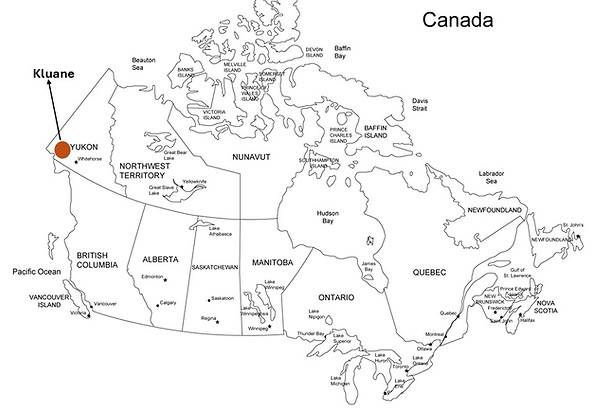
I aim to understand how mammals (small and big) respond to the changing environment surrounding us and discern the factors that influence these responses. In the process, I have documented response of mammalian community to environmental and anthropogenic stressors in Himalayas, coastal-central California and boreal forests. Currently, I am looking at the response of mammalian community in Kluane boreal forest, Canada.

Nepal Dhole Conservation Project

Dholes are historically persecuted canid species across its global range, which extended to over 20 countries. However, it's population declined precipitously in the last 4-5 decades due to human population boom, human-dhole conflict and habitat loss. It's habitat also reduced by over 85% during this time. Currently the species is found in some protected areas and fragmented forested areas in only 11 countries including Nepal. 

​

In Nepal too, the species was locally extirpated from all over the country. I, along with my team at Friends of Nature, am documenting the recolonization of dholes in Nepal using camera traps and key informants interview. I plan to understand the movement pattern and ecology of recolonizing dhole packs in Annapurna Conservation Area and Nepal as a whole. This will throw important light on how an apex predator with  

Nepal Clouded Leopard Project

Nepal is amazingly bio-diverse owing to a great range of climate and altitude. It is currently known to hold 12 species of wild cat species which are found from lowlands to high mountains. My interest and work involves in understanding their distribution within the country as well as factors that affect it. I am also interested in spatio-temporal interaction of these species among themselves as well as with their preys. 

​

Currently I am working on clouded leopard conservation under Nepal Clouded Leopard Project

bottom of page